

Whole Grain Bread – Benefits, Nutrition, & Healthy Guide
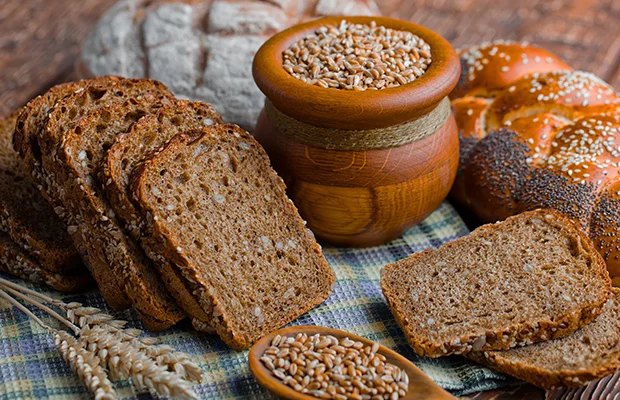
Whole grain bread is considered one of the healthiest bread options in the world.
It is made from grains that contain all three parts of the grain — bran, germ, and endosperm — making it rich in fiber, vitamins, minerals, and antioxidants.
grain bread is a good choice for breakfast, weight management, and daily nutrition if you are looking for a healthier bread option.
What Is Whole Grain Bread?
Whole grain bread is bread made with whole grains; nothing is removed during processing.
This keeps the bread high in:
- Fiber
- Protein
- Healthy carbohydrates
- Vitamins B1, B3, B6
- Iron, magnesium, zinc
- Antioxidants
Unlike white bread, which is heavily refined, grain bread retains the natural goodness of grains.
Why Whole Grain Bread Is Healthier? Key Benefits
Whole grain bread has numerous health benefits:
1. High in Fiber
It works wonders for digestion, maintains satiety for a longer period, and prevents overeating.
2. Good for Weight Management
grain bread suppresses hunger, aids in fat loss, and maintains body weight within a healthy range.
3. Supports Heart Health
Whole grains reduce cholesterol and lower the risk of heart disease.
4. Controls Blood Sugar Levels
Low glycemic index → better for people with diabetes or sugar control.
5. Boosts Energy Levels
Whole grains are digested slowly, releasing energy over time.
6. Rich in Vitamins & Minerals
B vitamins, magnesium, iron, and zinc support brain function and immunity.
Nutrition Facts of Whole Grain Bread (Per 1 Slice)
- Calories: 100–120
- Carbs: 18–20g
- Fiber: 3–5g
- Protein: 4–6g
- Fat: 1–2g
- Sugar: 1–2g
- Iron, magnesium, B vitamins
This makes grain bread a nutrient-dense food choice.
Types of Whole Grain Bread
1. 100% Whole Wheat Bread
Made with wholesome whole wheat grains.
2. Multigrain Bread
Made with a mixture of grains – oats, barley, rye and wheat.
3. Sprouted Grain Bread
Made from grains that have begun to sprout → higher nutrients.
4. Oat Whole Grain Bread
Whole wheat and oats for more fiber.
| Feature | Whole Grain Bread | White Bread |
|---|---|---|
| Fiber | High | Low |
| Nutrition | High | Low |
| Blood sugar impact | Low | High |
| Weight loss | Good | Not ideal |
| Digestion | Better | Weak |
| Energy release | Slow + stable | Fast + short |
| Conclusion: Whole grain bread is the clear winner in terms of health. | ||
How to Identify Real Whole Grain Bread
Many breads claim to be “whole wheat” but are not 100% whole grain.
Here’s what to check:
✔ Look for “100% Whole Grain” on the label
✔ First ingredient must be whole wheat or whole grain
✔ Avoid breads made from “enriched flour”
✔ More fiber = more whole grain
✔ Dark color doesn’t always mean whole grain
Best Ways to Include Whole Grain Bread in Your Diet
- Breakfast sandwiches
- Avocado toast
- Egg toast
- Peanut butter bread
- Tuna or chicken salad sandwich
- Healthy vegetable sandwich
grain bread works perfectly for meals, snacks, and diet plans.
FAQs – Whole Grain Bread
Q1: Does whole grain bread help in weight loss?
Excessive consumption of high-fiber foods suppresses appetite and helps in weight loss.
Q2: Can the diabetic eat whole grain bread?
Yes, it has a low glycemic index and aids in controlling blood sugar levels.
Q3: Is whole grain bread better than brown bread?
Whole grain bread is healthier because it includes all parts of the grain.
Q4: How many slices per day are healthy?
1–2 slices per day according to your diet and calorie needs.
Q5: Is multigrain bread the same as whole grain bread?
No. Only whole grain bread contains complete grains; multigrain may or may not contain whole grains.
Conclusion
Of all bread varieties, whole grain bread is considered the healthiest. It is high in fiber, rich in nutrition, good for the digestive system, and helps to support cardiovascular health and weight management. grain bread is a smart and healthy choice to make for any meal, whether it’s breakfast, snacks, or sandwiches.


