

What Words Can I Make With These Letters? Full Guide, Word Lists,
When someone types “what words can I make with these letters”, they’re usually trying to solve a puzzle, improve vocabulary, play games like Scrabble or Wordle, or simply understand how word formation works. Letter combinations can create hundreds of word possibilities — from small 2-letter words to longer, more complex ones.
But the real trick is knowing how to rearrange letters the right way. When you understand patterns, prefixes, suffixes, vowels, and consonant placement, you can create many meaningful words even from a random letter set.
In this long, easy-to-understand guide, we’ll break down everything step by step — just like an elder brother explaining something to his younger sibling. You’ll learn how to form words, what rules help you, examples, tables, tips, strategies, and complete clarity on how to answer the question:
What can I spell using these letters?
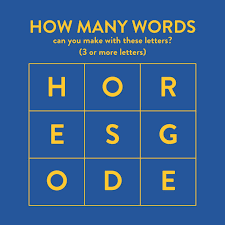
How Word Formation Works
Before we jump into word lists, it’s important to know how words are created from letters. Word formation is a mix of:
- Phonics (sound patterns)
- Common English structures
- Prefixes and suffixes
- Balanced vowel and consonant placement
- Logical rearrangement of letters
A simple set of letters can form many different words depending on how you place them. For example:
Letters: T, A, E, R
You can make:
- ate
- tear
- rate
- art
- ear
- rat
- stare
- eater
- …and many more!
So, it all depends on your understanding of letter pairing and the flow of sounds.
Step-by-Step Procedure to Answer the Question “What Words Can I Make With These Letters?”
1. Identify Vowels First
Vowels (A, E, I, O, U) are the heart of word creation. Without at least one vowel, most English words cannot be formed.
2. Consonants apart
Consonants give form to the word. Certain consonants go well together:
- BR
- ST
- TH,
- PR
- CL
- TR:
- SH
These combinations often result in longer and stronger words.
3. Form Small Words First
Begin with 2-letter words:
- at
- it
- An
- to
- in
Then move to 3-letter words, then 4-letter words, and upward.
4. Rearrange Letters for Bigger Words
Once you have the basics, try rearranging letters to create longer words. Even one extra letter can form 10+ new words.
5. Add Common Endings
Try adding:
- ing
- ed
- er
- ly
- s
Exemplar: play → playing, player, plays
6. Check for Silent Letters
Letters like H, K, B, G at times act silently and help you in forming new words.
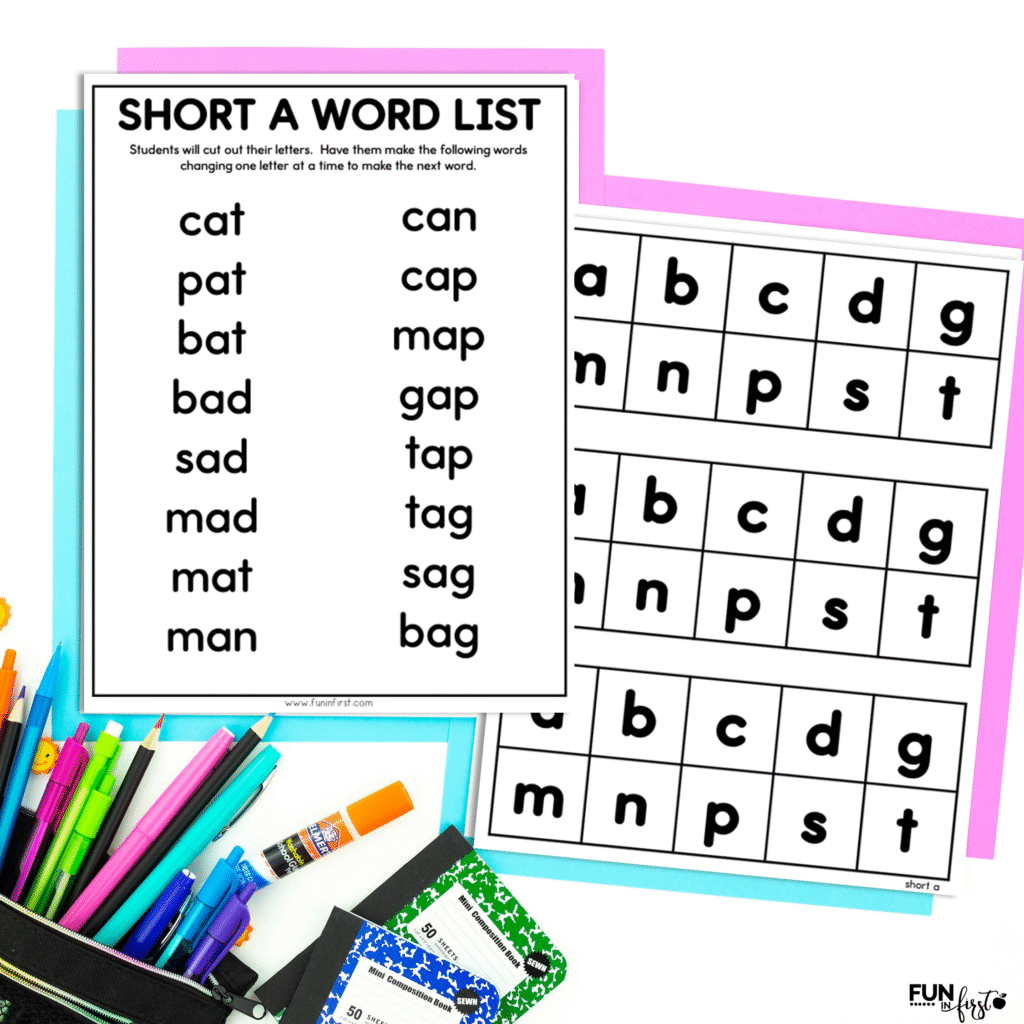
Examples of Words You Can Make From a Sample Letter Set
To make this guide really helpful, let’s take a sample group of letters:
Letters: A, R, T, E, S
Possible words include:
- star
- ear
- tea
- rest
- rate
- tear
- seat
- Stare
- tears
- rates
- stare
- eat
- art
- east
That’s how just 5 letters can give one dozens of useful English words.
Word Formation Table (General Examples)
Below is a helpful table showing different types of words you can form from random letters.
| Word Length | Example Words Formed from Mixed Letters |
|---|---|
| 2-letter words | at, it, an, to, me |
| 3-letter words | eat, art, tar, rat, ear |
| 4-letter words | rate, star, tear, rest |
| 5-letter words | stare, rates, tears |
| 6+ letter words | starter, retest, Easter (if more letters added) |
This table format helps beginners understand the growth pattern of word creation.
How to Make Even More Words
1. Anagrammar (changing)
Rearrange letters to form completely new words.
2. Prefix + Root + Suffix Method
Example:
Letters → act
Add prefix → re + act = react
Add suffix → reacting, action, active
3. Combining Consonant Clusters
ST + A + R = star
BR + I + NG = bring
4. Using Word Families
If you form “tea,” you can also make:
- eat
- ate
- eta
5. Adding S To Make Plurals
- Word: rate
- Plural: rates
Why People Search “What Words Can I Make With These Letters?”
People usually search this keyword for:
- Word games (Scrabble, Wordle, Boggle)
- Improving vocabulary
- Creating usernames
- Solving puzzles
- Writing creative content
- Brain training
- Learning combinations for school/college tasks
This keyword is extremely popular in English learning and gaming communities.
Word-Building Tips Like a Pro
If you want to master this skill, follow these tricks:
Add One Letter at a Time
Example:
- at
- ate
- late
- plate
- plates
Look for Hidden Mini-Words
Within “stare” you can find:
- star
- stare
- ear
- tea
- are
Use Vowel-Consonant Patterns
- VC → at
- CVC → cat
- CVVC → team
- CCVC → star
Train Your Eyes to Notice Patterns
The more you practice, the faster you’ll see words inside letters.
Sample Word Lists for Practice
Here are general word lists you can practice with:
2-Letter Words
at, on, in, up, to, me, we, it, an, am
3-Letter Words
bar, cat, tea, ear, ran, top, sit, let, man, car
4-Letter Words
rate, stop, star, part, card, seat, tear, rest, name
5-Letter Words
stare, plate, trade, heart, start, share, react
These examples improve your understanding of how letters transform into meaningful English words.
FAQs
Q1. How do I find words from random letters?
Start with vowels, form small words, then build into longer words using rearrangement.
Q2. Can all letters make meaningful English words?
Not always, but most combinations can form at least small 2- or 3-letter words.
Q3. How do games like Scrabble use this technique?
Scrabble requires players to rearrange letters to make high-scoring words.
Q4. What tools can help me find words?
There are online anagram solvers and word generators, but learning manually improves vocabulary.
Q5. What is the easiest way to form long words?
Use common prefixes (re-, de-, un-) and suffixes (-ing, -ed, -er).
Conclusion
The question “what words can I make with these letters” is much more powerful than it looks. It’s a complete skill that helps in vocabulary building, gaming, writing, speaking, and overall English understanding. By using vowels smartly, arranging consonants correctly, forming short words first, and expanding them step by step, you can turn even random letters into dozens of meaningful words.
This guide explained techniques, examples, patterns, tables, FAQs, and expert tips so you can confidently create words from any letters you are given. With regular practice, you’ll quickly become skilled at turning simple letter combinations into rich, useful English vocabulary.


