

Kids Shoe Size Chart – US,UK,EU Sizes & Tips for Perfect Fit
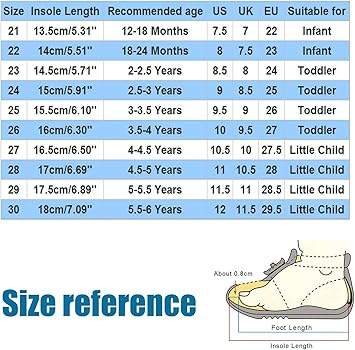
Choosing the right shoes size for kids can be challenging. Their feet grow rapidly, and uncomfortable or wrong fittings may cause pain or potential foot problems. Therefore, a kids shoe size chart will enable parents to choose the best-fit size for their toddlers, boys, and girls.
This tutorial covers:
- Size charts for shoes (US, UK, EU)
- Measuring your child’s feet: some useful tips
- How to convert between different size systems
- Signs your child’s shoes fit correctly
| US Size (Kids) | UK Size | EU Size | Foot Length (inches) | Foot Length (cm) |
|---|---|---|---|---|
| 1 | 0.5 | 16 | 3.5 | 8.9 |
| 2 | 1.5 | 17 | 3.75 | 9.5 |
| 3 | 2.5 | 18 | 4 | 10.2 |
| 4 | 3.5 | 19 | 4.25 | 10.8 |
| 5 | 4.5 | 20 | 4.5 | 11.4 |
| 6 | 5.5 | 22 | 4.75 | 12.1 |
| 7 | 6.5 | 23 | 5 | 12.7 |
| 8 | 7.5 | 24 | 5.25 | 13.3 |
| 9 | 8.5 | 25 | 5.5 | 14 |
| 10 | 9.5 | 27 | 5.75 | 14.6 |
| 11 | 10.5 | 28 | 6 | 15.2 |
| 12 | 11.5 | 29 | 6.25 | 15.9 |
| 13 | 12.5 | 30 | 6.5 | 16.5 |
| 1 (Youth) | 13.5 | 31 | 6.75 | 17.1 |
| 2 (Youth) | 1.5 | 32 | 7 | 17.8 |
| 3 (Youth) | 2.5 | 33 | 7.25 | 18.4 |
| 4 (Youth) | 3.5 | 34 | 7.5 | 19.1 |
| 5 (Youth) | 4.5 | 35 | 7.75 | 19.7 |
| Tip: Have your child’s feet measured in the late afternoon, as feet tend to swell throughout the day. | ||||
How to Measure Your Child’s Feet
- Place a piece of paper on the floor against a wall.
- Have your child stand on the paper with their heel touching the wall.
- Mark the tip of the longest toe.
- Measure the distance in inches or cm from the wall to the mark.
- Please use the size chart above to determine your correct shoe size.
Pro tip: Always leave about 0.3–0.5 inches (0.8–1.2 cm) of extra space for growing feet.
Conversion Between US, UK and EU Sizes
- US sizes are in common usage in America.
- UK sizes are about 0.5-1 size smaller than US sizes for kids.
- EU sizes vary but in general, run 1–2 sizes larger than US sizes.
A conversion chart helps avoid mistakes when ordering shoes online or buying international brands.
Signs Your Child’s Shoes Fit Properly
- Toes should not be crowded; they need room.
- Heel should not slip and stay in place.
- Shoes should never need a “breaking-in” period; they should always feel comfortable immediately.
- Ensure no marks or redness on the feet after wearing the shoes.
A proper fit avoids discomfort, blisters, and possible foot development issues.
Common Mistakes Parents Make
- Buying shoes that are too large, thinking the child will “grow into them.”
- Neglecting the width of the foot, especially for narrow or wide-footed children.
- Not measuring their feet regularly; children’s feet grow quite fast.
- Relying on age alone rather than actual foot measurement.
Tips especially for Toddlers
- The feet of toddlers grow very fast, sometimes even every 2–3 months.
- The best shoes for early walkers are flexible and breathable.
- Velcro shoes or slip-ons can make dressing easier.
Foot Health and Shoe Fit
- Shoes that fit correctly allow for natural foot development.
- Avoid shoes that are too tight or too loose; both can cause problems for the feet.
- Look for supportive soles and breathable materials.
Popular Brands and Their Size Guides
For the following brands, fit varies slightly:
- Nike – US sizes may run a little larger. Check the brand-specific chart.
- Adidas: Generally uses standard EU sizing.
- Stride Rite: Known for their toddler-friendly fits with extra space for growth.
- Puma / New Balance – Check width variations for comfort.
Always check the brand’s official size chart before buying.
FAQs
Q1: At what age does one begin using the Kids Shoe Size Chart?
A: From the moment your child starts walking, usually around 12–18 months.
Q2: Can I rely on age instead of measuring feet?
A: No, children grow at various rates, so foot measurement is more accurate.
Q3: How often should I measure my child’s feet?
A: Every 2–3 months in toddlers, every 6 months in older children.
Q4: How do I know if the shoes fit?
A: Check for proper toe room, stable heel, and comfort all over.
Q5: Are US and EU sizes interchangeable?
A: No. Always go by the conversion chart so a sizing mistake is not made.
Conclusion
A kids shoe size chart is something every parent should have on hand. The right pair of fitted shoes ensures comfort, allows healthy foot growth, and enables children to walk with confidence. Always measure your child’s feet, allow some room for growth, and use conversion charts while buying from another country.


